At a glance
A real-world service evaluation of the Digital Health Passport (DHP), conducted by UCLPartners in collaboration with City, University of London, shows that a co-designed digital asthma self-management app can improve asthma symptom control and patient activation in young people — with a projected return on investment of £8.21 for every £1 the NHS spends.
- 1,751 users of the DHP contributed in-app survey data between 2023 and 2025
- In users aged 12+ with uncontrolled asthma at baseline, mean Asthma Control Test (ACT) scores rose by 2.64 points (p<0.01, d=0.63) — exceeding the minimally important difference in adolescents
- Patient activation (Partners in Health scale) rose from 74.5 to 78.6 (p<0.05)
- Days missed from school/work fell by approximately 4 days (p<0.05)
- Modelling projects an NHS ROI of £8.21 per £1 spent over three years at ICB level, with further productivity gains at a societal level
📄 Download the full evaluation (PDF)
Authors: Kate Cheema (UCLPartners, Health Innovation Network, London) and Dr Greg Burch (Tiny Medical Apps, London). April 2026.
Abstract
Background: Asthma is one of the most common chronic conditions among young people in the UK, with poor control contributing to avoidable morbidity, reduced quality of life, and significant healthcare costs. Effective self-management, encompassing symptom monitoring, adherence to personalised action plans, and timely intervention, has been shown to improve asthma symptom control, reduce exacerbations, and enhance school and work attendance. However, fewer than 25% of young people have a personalised asthma action plan, indicating a need for scalable, engaging solutions.
Objective: To evaluate the clinical and economic impact of the Digital Health Passport (DHP), a co-designed self-management app for young people with asthma.
Methods: A real-world, mixed-methods service evaluation was undertaken using in-app survey data from 1,751 users (2023–2025). Clinical outcomes were the Asthma Control Test (ACT) and the Partners in Health (PIH) scale for patient activation. Economic modelling estimated NHS cost savings based on ACT score changes. Paired t-tests assessed within-subject change.
Results: Of 238 users completing ACT at both baseline (T1) and follow-up (T2), mean scores improved from 16.6 to 18.1 (p<0.01, Cohen's d=0.31). In those with uncontrolled asthma at baseline (ACT<20), mean improvement was 2.64 points (p<0.01, d=0.63). PIH scores increased from 74.5 to 78.6 (p<0.05). Self-reported days missed from school/work fell by approximately 4 days (p<0.05). Economic modelling projected an NHS return on investment of £8.21 per £1 spent over three years at ICB level, largely due to reduced costs in severely uncontrolled asthma.
Conclusion: The DHP shows promise for improving asthma symptom control and patient activation in young people, with potential for substantial NHS savings. Further research is needed to assess long-term outcomes using more rigorous comparative methods.
Introduction
Asthma remains one of the most common chronic conditions affecting children and young people in the UK, with approximately one million individuals aged under 18 receiving treatment. The burden of asthma in the 10–24-year-old age group is particularly concerning, with the UK reporting the highest asthma mortality rate in Europe for this population sub-group¹. A contributing factor is the persistently low utilisation of Personalised Asthma Action Plans (PAAPs), with fewer than 25% of young people reported to have one in place¹. In addition to poor health outcomes, suboptimal asthma symptom control continues to place a strain on health services, through increased emergency admissions and poor medication optimisation²,³,⁴, with some research indicating a six-fold increased risk of hospitalisation, A&E visit or corticosteroid burst for people with consistently very poorly controlled asthma⁵.
Self-management support enables young people with asthma to better monitor symptoms, adhere to medication, and respond effectively to early signs of deterioration; self-management interventions have been shown to improve asthma symptom control, reduce exacerbations, and enhance quality of life in this age group⁶,⁷. The persistent gap in outcomes highlights a pressing need for scalable, cost-effective interventions that support self-management and ultimately improve outcomes, particularly in this demographic.
Digital health technologies offer a potential solution; mobile apps can engage young users, provide accessible education, and support ongoing self-monitoring and behaviour change⁸. The Digital Health Passport (DHP) is a co-designed asthma and allergy self-management app developed specifically for teenagers, young adults, and the parents or carers of younger children. The DHP focuses on achieving better asthma outcomes at scale (and low cost) by optimising the delivery of the key elements of the asthma care pathway, integrating several core features to support asthma management. These include medication tracking and reminders, a symptom diary and digital asthma symptom control test, in-app prescription requests, inhaler technique videos, and air quality alerts. Educational content is tailored across seven learning modules, and a personalised asthma plan is stored within the app for ongoing reference. The DHP has been rolled out tailored with regional content.
In 2023–2025, UCLPartners, a Health Innovation Network, undertook a real-world service evaluation of the DHP in collaboration with City, University of London⁹. The evaluation aimed to assess the DHP's clinical effectiveness, particularly in terms of patient activation and asthma symptom control, measured via validated tools. The evaluation also modelled the potential health economic impact of the DHP from the NHS system perspective.
In parallel, qualitative feedback from users and carers was collected to explore acceptability, usability, and the intention to continue app use. Additionally, the evaluation examined the relative impact of three scalable adoption strategies on uptake and equity of access, particularly among underserved groups.
This paper presents the findings from the clinical and economic components of the service evaluation. It focuses on changes in asthma symptom control and patient activation, as well as the projected return on investment of DHP implementation based on real-world usage data.
Methods
Study Design
This study was a real-world, mixed-methods service evaluation conducted to assess the clinical and economic impact of the Digital Health Passport (DHP). The evaluation was carried out between 2023 and 2025 by UCLPartners in collaboration with the Department of Health Services Research and Management at City, University of London.
Mixed-methods data collection allowed for triangulation of findings across quantitative outcome measures and qualitative user feedback. This paper focuses on the quantitative findings relating to clinical effectiveness and economic modelling.
Participants and Data Sources
Study participants were users of the DHP aged 8 years or older who were onboarded onto the app between June 2023 and June 2025 and completed, or had completed on their behalf, in-app surveys at two time points. Surveys were administered at registration (T1) and approximately three months after onboarding (T2), with change in outcome measures calculated between these two time points. Further opportunities to complete the in-app survey were given for the 12 months beyond T2 but were not incentivised. The survey covered patient activation, asthma symptom control, quality of life, and self-reported healthcare usage.
Participation in both surveys was voluntary and incentivised with a nominal reward. Users were eligible for inclusion in the analysis if they completed the survey on behalf of themselves or someone they care for and provided valid demographic data, including age. Responses with incomplete or inconsistent age data were excluded due to age-specific survey instruments (e.g., Asthma Control Test and EQ-5D versions).
Outcome Measures
Asthma Control Test (ACT)
The ACT⁷ is a clinically validated five-item questionnaire that measures asthma symptom control over the previous four weeks. It generates a score from 5 to 25, with scores ≥20 considered indicative of well-controlled asthma¹⁰,¹¹,¹². The ACT was selected as a primary clinical outcome because of its strong predictive value for asthma-related events, including emergency care use, exacerbations, and hospital admissions. Evidence from longitudinal studies confirms that small changes in ACT score are associated with meaningful reductions in risk and healthcare costs¹³. The child version (pACT) was used for participants aged 8–11, while the standard adult ACT was administered to users aged 12+.
In line with prior research¹⁴, analysis focused on mean changes in ACT scores stratified by baseline control level (<15 severely uncontrolled, 15–19 moderately uncontrolled, ≥20 controlled) rather than a binary shift from uncontrolled to controlled. This approach allowed more granular insight into clinically meaningful improvements, and the potential health economic consequences, across the spectrum of asthma severity, particularly in those starting with poor control, where even modest gains can translate into reduced risk of exacerbations and healthcare use.
Patient Activation (Partners in Health Scale)
Patient activation was assessed using the 14-item Partners in Health Scale¹⁵, which measures an individual's knowledge, skills, and confidence in managing a long-term condition. Scores range from 0 to 112, with higher scores reflecting greater activation. This instrument was selected for its appropriateness in long-term condition management and its adaptability to both direct users of the DHP and parent/carers. It aligns with a growing body of literature linking activation with improved self-care behaviours and reduced reliance on urgent care. Versions tailored to both individuals and carers were implemented.
Two supplementary questions were added to assess user confidence in discussing asthma with healthcare professionals and family members.
Quality of Life (EQ-5D-3L and EQ-5D-5L)
Quality of life was measured using standardised EuroQol instruments¹⁶, EQ-5D-5L for participants aged 12+ and EQ-5D-3L for those under 12. These validated tools assess health status across five domains: mobility, self-care, usual activities, pain/discomfort, and anxiety/depression. Though not used in the health economic modelling due to the absence of UK-specific value sets for this evaluation, EQ-5D results are included here to provide descriptive context on users' broader health-related quality of life.
Health Service Use: Asthma Check-In
The 'asthma check-in' section of the survey captured self-reported outcomes related to healthcare usage over the previous three months. This included the number of asthma attacks, days off school/work, steroid prescriptions, and urgent/emergency care contacts (including A&E or unscheduled GP visits). While useful for gauging the lived impact of asthma, this section relied on unvalidated self-reporting and was not directly used in either the outcome evaluation or the health economic model.
Health Economic Modelling
A health economic model was developed to assess the cost-effectiveness of the DHP from an NHS system perspective. The analysis focused on changes in asthma symptom control, as measured by ACT scores, and their association with healthcare costs. The model applied previously published cost estimates for asthma management stratified by ACT score¹⁷,¹⁸, adjusted for UK context and inflation. Annual treatment and management costs per patient were estimated at:
- Severely uncontrolled asthma (<15): £2,569
- Moderately uncontrolled asthma (15–19): £820
- Well-controlled asthma (≥20): £372
Implementation and maintenance costs for the DHP were estimated at the level of a typical Integrated Care Board (ICB), assuming standard licensing fees, clinical training, and administrative support. Initial implementation cost per ICB was estimated at £76,986, with ongoing annual maintenance at £72,888.
The return on investment (ROI) was modelled over a three-year period with increasing uptake scenarios (15%, 30%, and 45% of eligible users aged 12–24 years). Cost savings were projected based on the observed shift in ACT scores from the evaluation cohort and applied to broader population estimates¹⁹,²⁰,²¹.
In addition to modelling short-term cost savings linked to changes in immediate treatment and management costs due to improved asthma symptom control, the evaluation also considered broader societal impacts associated with sustained use of the Digital Health Passport. A societal perspective was adopted to assess the wider economic implications of improved asthma symptom control, particularly in relation to work productivity. Literature associating higher ACT scores with reduced sickness absence²², improved ability to participate in employment and higher earnings per hour compared to those with uncontrolled non-severe asthma, was used to estimate the potential value of lost productivity. These analyses were based on observed changes in ACT scores within a limited (20+ years), and assumed uncontrolled asthma where ACT score was below 20.
Statistical Analysis
All quantitative analyses were conducted using R statistical software (v4.3.1)²³. Paired t-tests were used to assess differences in outcome measures between T1 and T2 for matched respondents. Effect sizes were calculated using Cohen's d²⁴, where values of 0.2, 0.5, and 0.8 were interpreted as small, medium, and large, respectively. EQ-5D index values were derived using the eq5d R package²⁵, and data manipulation was performed using the dplyr R package²⁶. Statistical significance was defined as p < 0.05.
Results
Participant Characteristics
Between June 2023 and June 2025, 278 DHP users completed at least one outcome measure at both T1 and T2 via the in-app surveys, and included valid age data. Of these, 56 (20.1%) were under 13 years of age, and 222 (79.9%) were aged 13 years or older. The majority of respondents (76.7%) completed the survey on behalf of themselves. Female participants accounted for 63.3% of the overall sample, though the gender distribution varied by age group (42.9% female in under-13s; 68.5% in those aged 13+).
Ethnicity was self-reported, with 82.3% identifying as White, 8.3% as Asian or British Asian, and 4.9% as Black, Black British, Caribbean or African. These are broadly representative of the England population based on the 2021 census. Socioeconomic data showed a slight skew towards more deprived quintiles, with 47% of respondents from Index of Multiple Deprivation (IMD) quintiles 1 and 2, where this was reported.
Broadly speaking, the evaluation sample was representative of the wider DHP user base, with the exception of age; the majority of all DHP users are under 25, whereas less than 50% of the evaluation sample was in this age group. The evaluation sample was also less ethnically diverse than the DHP user base overall.
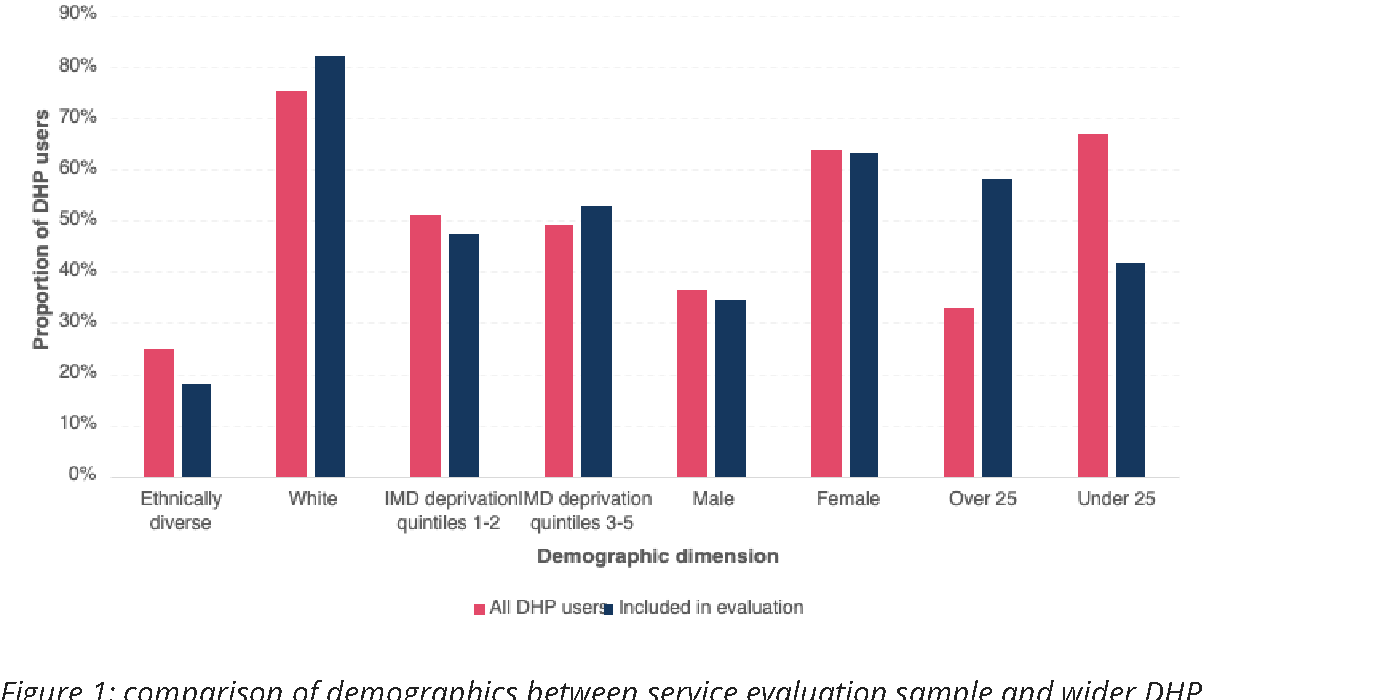
Figure 1: Comparison of demographics between service evaluation sample and wider DHP users
Clinical Outcomes
Patient Activation
Among the 211 users who completed the Partners in Health (PIH) scale at both T1 and T2, there was a statistically significant improvement in activation scores. The mean PIH score increased from 74.5 at T1 to 78.6 at T2 (t = -3.80, p < 0.05), with a small to moderate effect size (Cohen's d = 0.27).
Stratified analysis showed that this improvement was significant among users aged 13+ (mean increase from 72.4 to 77.6; t = -4.00, p < 0.05; d = 0.33), but not in users under 13 or among carers completing the survey on behalf of a child.
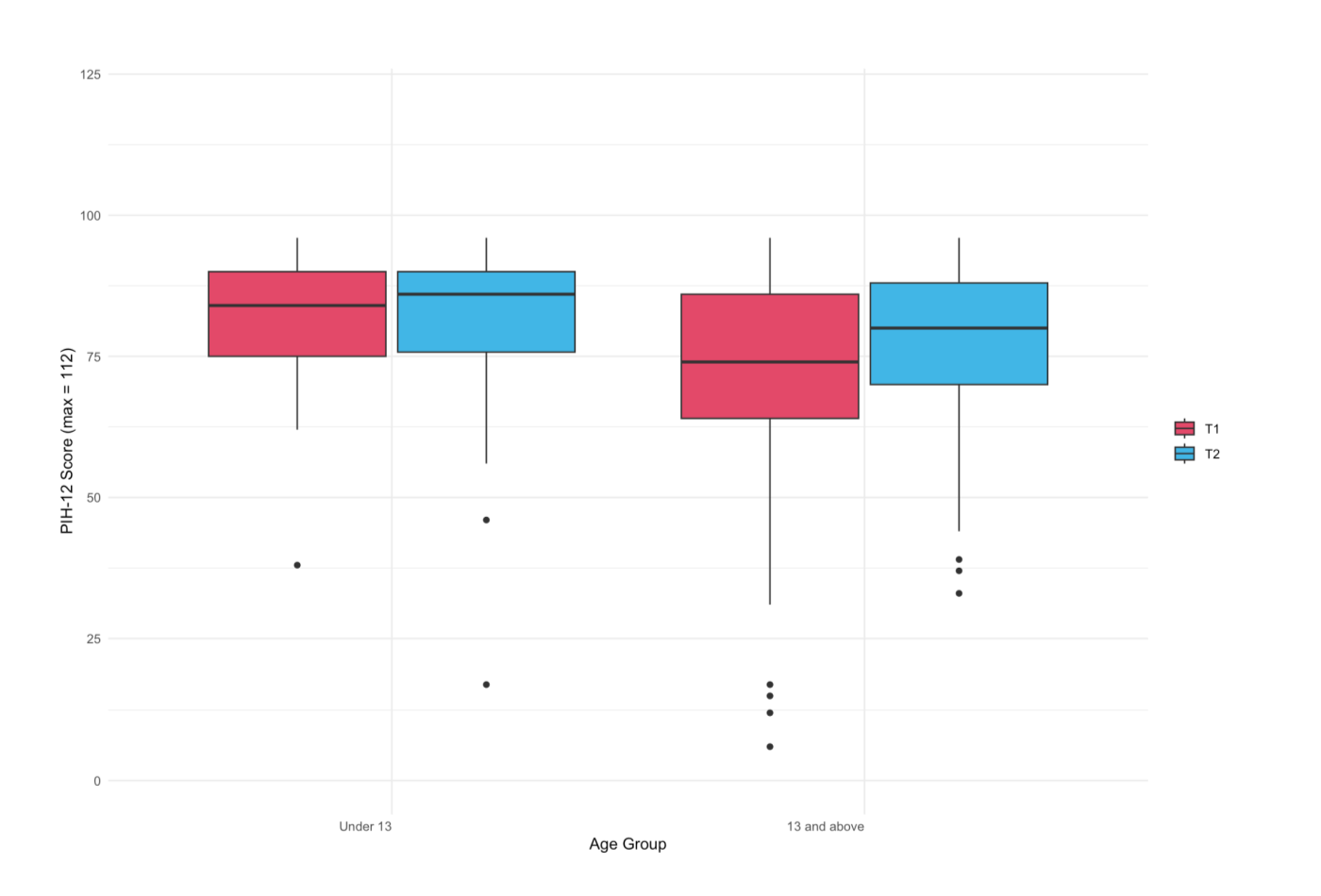
Figure 2: Distribution of PIH score by age group and time point
Asthma Control (ACT Scores)
A total of 274 users completed an ACT or pACT at both T1 and T2. Significant improvement was observed in the adult ACT group (n = 238), with mean scores rising from 16.6 at T1 to 18.1 at T2 (t = -5.26, p < 0.01), corresponding to a small to moderate effect size (d = 0.31).
In users aged 12+ with uncontrolled asthma at baseline (ACT < 20, n = 160), the improvement was more pronounced, with a mean increase of 2.64 points (t = -7.51, p < 0.01; d = 0.63), approaching the minimally important difference (MID) of 3 points established for adults¹³ and exceeding the MID of 2 points established in an adolescent cohort²⁷. No significant change was observed in the paediatric ACT group aged 11 or under (n = 36).
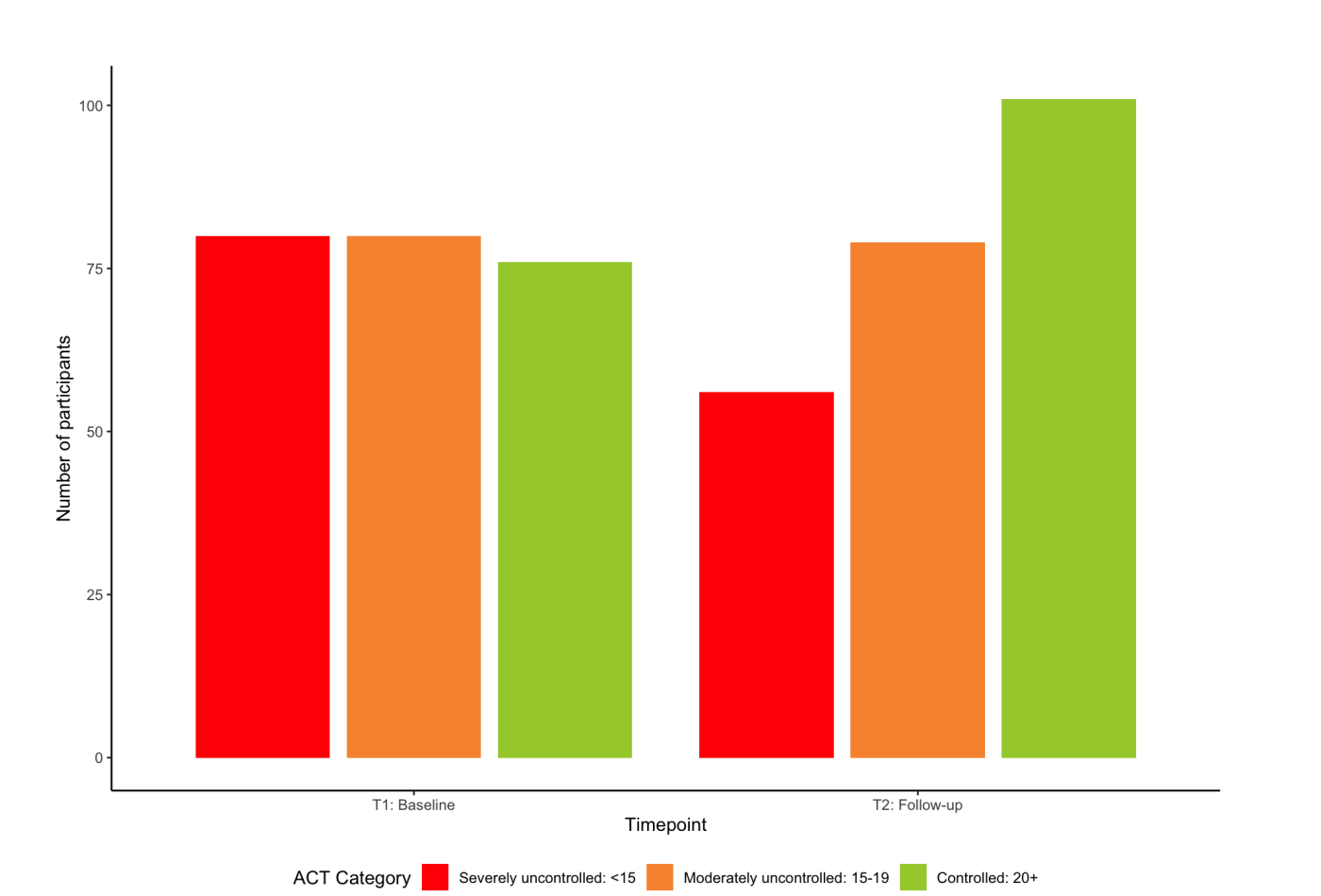
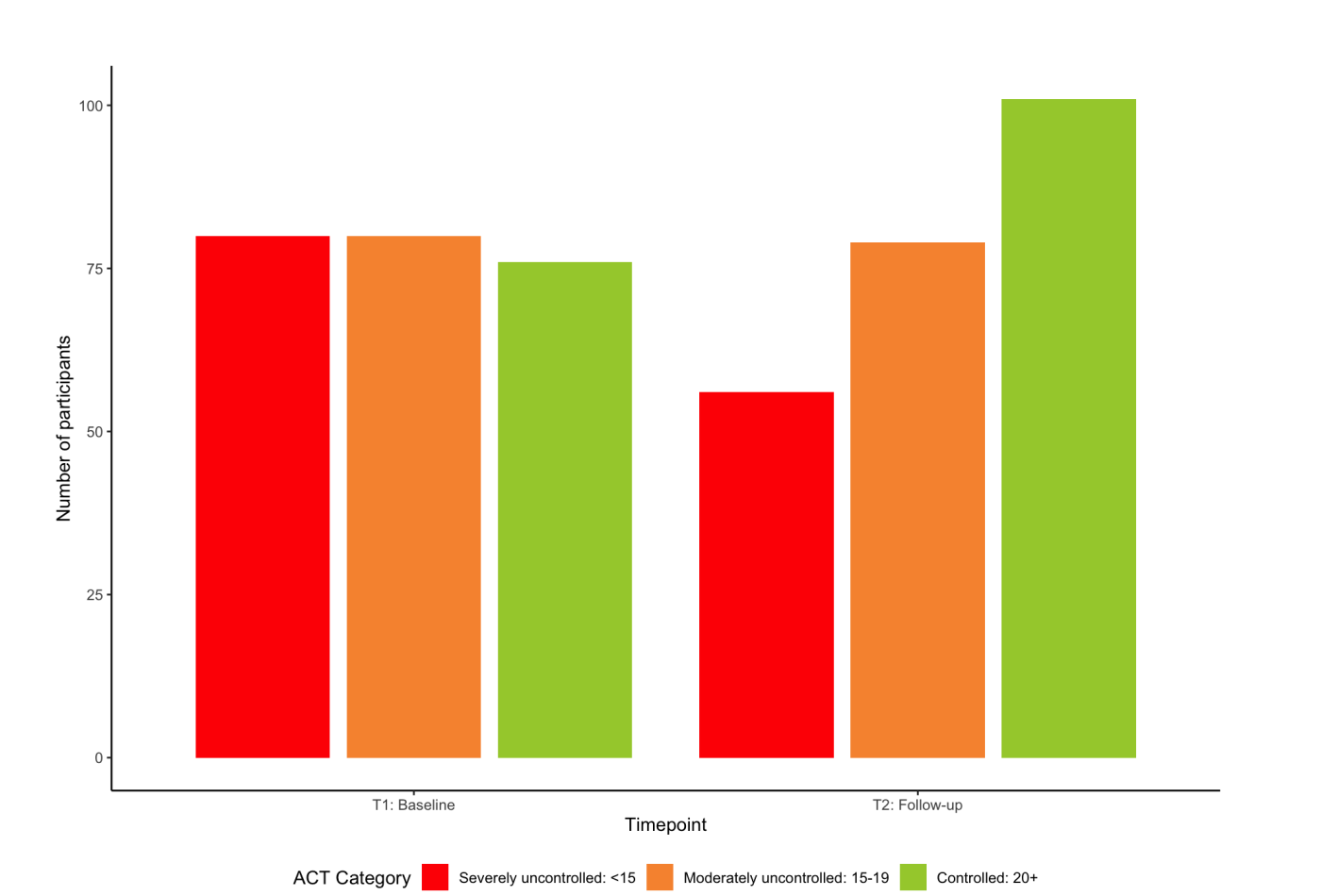
Figure 3: Numbers of patients by level of asthma symptom control, based on ACT score at time 1 (T1) and time 2 (T2)
Quality of Life (EQ-5D)
Quality of life measures were completed by 224 users at both time points. There was no statistically significant change in either EQ-5D-5L (n = 213; t = -0.71, p = 0.48) or EQ-5D-3L (n = 11; t = -1.30, p = 0.22). No individual domain of the EQ-5D showed significant change.
Table 1: Descriptive statistics and paired t-test results for quality of life measures
| Quality of life measure | Time 1 Mean | Time 1 SD | Time 2 Mean | Time 2 SD | t-stat | p-value |
|---|---|---|---|---|---|---|
| EQ-5D-3L index reverse crosswalk – UK Devlin value set | 0.82 | 0.17 | 0.87 | 0.17 | -1.30 | 0.22 |
| EQ-5D-5L US crosswalk – EQ-5D-5L Shaw value set V1.1 | 0.69 | 0.26 | 0.70 | 0.29 | -0.71 | 0.48 |
Self-Reported Healthcare Use (Asthma Check-In)
Among 278 users who completed both T1 and T2 asthma check-ins, no significant changes were observed in self-reported asthma attacks, steroid prescriptions or urgent care use. However, a significant change was observed in the number of days taken off school/work (t = 2.3, p < 0.05) with a mean decrease of approximately 4 days between T1 and T2. The data quality of this measure was poor; extreme values were trimmed at the maximum possible number of days that could be missed (60 days, based on a 5-day working week) in a three month time period. The variability of this measure was also notable.
Table 2: Descriptive statistics and paired t-test results for asthma check questions
| Asthma check question | Time 1 Mean | Time 1 SD | Time 2 Mean | Time 2 SD | t-stat | p-value |
|---|---|---|---|---|---|---|
| No. Asthma attacks | 3.39 | 7.02 | 3.40 | 9.51 | 0.65 | 0.52 |
| No. Days off school/work | 8.42 | 10.10 | 5.53 | 6.15 | 2.3 | 0.02* |
| No. Steroid Rx | 2.53 | 4.79 | 2.18 | 2.30 | 0.87 | 0.39 |
| No. Urgent & emergency care visits | 1.96 | 1.39 | 1.64 | 1.01 | 1.22 | 0.23 |
*significant at 0.05
Health Economic Modelling Outcomes
Using adult ACT score shifts observed in the evaluation cohort (n = 238), annualised asthma management costs were modelled based on cost stratification by ACT category. At baseline, 80 users were in the severely uncontrolled group (ACT < 15), reducing to 56 at T2, and 80 users were in the moderately uncontrolled group (ACT 15–19), remaining the same at T2. This shift resulted in an estimated annual cost reduction of £52,731 across the 238 users.
At an Integrated Care Board (ICB) level, assuming gradual uptake from 15% to 45% over three years, and taking into account projected population change and likely asthma incidence, the model projected a return on investment (ROI) of £8.21 for every £1 spent on DHP implementation and maintenance. This ROI is based on savings primarily accrued from reduced healthcare utilisation among users shifting from severely uncontrolled to better-controlled asthma categories.
Table 3: Estimated annualised costs for asthma management for 238 patients by ACT score (13+ only) as reported at baseline (T1) and after 3 months of DHP use (T2)
| ACT score category | No. patients (T1) | No. patients (T2) | Cost per annum per patient* | Total cost (T1) | Total cost (T2) |
|---|---|---|---|---|---|
| Severely uncontrolled: <15 | 80 | 56 | £2,569 | £205,492 | £143,844 |
| Moderately uncontrolled: 15–19 | 80 | 80 | £820 | £65,593 | £65,593 |
| Controlled: 20+ | 78 | 102 | £372 | £28,979 | £37,896 |
| Total | 238 | 238 | £300,064 | £247,333 |
*Exchange rate at 0.85 Euro to GBP, adjusted for inflation at 3% per year as per Bank of England inflation calculator
In addition, exploratory modelling was undertaken to estimate the potential long-term financial impact of sustained DHP use on societal productivity through the lens of employment, as defined by employment rates, lower earnings and sickness absence. Estimated benefits were modelled by applying conservative estimates of productivity loss to categories of asthma symptom control in the evaluation cohort aged 18 and over, to reflect those participants most likely to be in work. The shift in asthma symptom control already described resulted in an estimated annual reduction in productivity loss of £29,170 across the 174 users included.
Table 4: Estimated annualised productivity loss for asthma management for 174 patients by ACT score (18+ years only) as reported at baseline (T1) and after 3 months of DHP use (T2)
| ACT score category | No. patients (T1) | No. patients (T2) | Productivity loss per patient per annum* | Total productivity loss (T1) | Total productivity loss (T2) |
|---|---|---|---|---|---|
| Severely uncontrolled: <15 | 62 | 38 | £1,823 | £113,032 | £69,278 |
| Moderately uncontrolled: 15–19 | 52 | 60 | £1,823 | £94,801 | £109,386 |
| Controlled: 20+ | 60 | 76 | £0 | £0 | £0 |
| Total | 174 | 174 | £207,833 | £178,664 |
*adjusted for inflation at 3% per year as per Bank of England inflation calculator
Discussion
This service evaluation of the Digital Health Passport (DHP) provides encouraging evidence that a co-designed, digitally delivered asthma self-management tool can have a positive impact on patient activation and asthma symptom control, particularly among underserved adolescents and young adults, and impact healthcare costs at system level. These findings also provide an initial indication of the broader economic value of the DHP beyond immediate healthcare cost savings, highlighting its potential contribution to societal well-being.
The observed improvements in Asthma Control Test (ACT) scores and patient activation, though modest in absolute terms, are clinically meaningful, particularly in the real-world context, and align with established predictors of better asthma outcomes. Notably, in the subgroup of users with uncontrolled asthma, as defined by ACT score, at baseline, the average improvement in ACT scores exceeded the age-appropriate minimally important difference established for adolescent populations²⁷ and is consistent with thresholds associated with reduced risk of exacerbations and healthcare utilisation in adult cohorts¹³. These findings are consistent with previous literature emphasising the role of self-management support in improving asthma symptom control and suggest that digital tools like the DHP may be an effective adjunct to routine care, especially for young people who are typically underrepresented in traditional healthcare engagement. Additional analysis of user acceptability and intent to continue use, reported elsewhere⁸, indicated that the DHP was well-received and likely to be used on an ongoing basis. This enhances the clinical outcome findings by suggesting that improvements in control and activation may be sustained, or further strengthened, through continuous use.
The improvements in activation and asthma symptom control did not translate into measurable reductions in self-reported healthcare use within the study period. The lack of change in these measures likely reflects the time lag between behaviour change and observable impact on healthcare events such as emergency visits or exacerbation-related admissions, and the reliance on self-reported data introduces uncertainty around the accuracy of service use estimates. However, the self-reported reduction in days missed of school or work did show statistically significant change and is supportive of the supposition that improved asthma symptom control in the evaluation cohort leads to increased productivity in terms of educational and employment presenteeism.
The health economic modelling, based on validated links between ACT scores and short-term healthcare costs for asthma management, suggests that even modest shifts in asthma symptom control across a population could generate significant system-level savings over time from the NHS perspective. Similar modelling in the 18+ evaluation cohort also supports the DHP helping to realise productivity gains from improved inclusion in the workforce, better earnings and lower sickness absence.
From a health system perspective, the findings have immediate and long-term relevance. In the short to medium term, tools like the DHP offer a rapidly scalable means of supporting asthma management outside of clinical settings, potentially alleviating some of the demand pressures on primary and urgent care, and reducing some of the treatment costs. Over the longer term, by supporting self-management and reducing exacerbation-related absences, digital tools like the DHP may contribute to improved educational and employment outcomes, with wider societal and economic implications.
The real-world nature of this study offers strengths in terms of ecological validity but several limitations affect the interpretation and generalisability of these findings. First, the use of a convenience sample, combined with low completion rates at T2, just 15%, introduces potential selection bias. Respondents who completed both surveys may be more engaged and motivated or health-literate than the broader DHP user population.
Second, the reliance on self-reported data for key variables such as service use introduces potential recall and reporting bias. This particularly affects the 'asthma check-in' data, which were not independently validated against objective healthcare records. This absence of linkage to objective healthcare utilisation data through electronic health records, constrained the robustness of both the clinical and economic analyses.
Third, while the ACT-based economic model draws from robust external literature, it necessarily involves assumptions about user behaviour, sustained benefit, and uptake over time. No direct cost or utilisation data were extracted from NHS systems, and the economic evaluation from both the health and wider societal perspective remains an indicative forecast rather than an analysis of actual expenditure or savings.
Finally, the asthma check-in tool, while pragmatically useful, has not been psychometrically validated, limiting its reliability for outcome measurement.
Future research should address these limitations through larger-scale studies with systematic sampling, extended follow-up, and linkage to routine healthcare datasets, using quasi-experimental designs to strengthen causal inference on DHP effectiveness. Longitudinal analyses are needed to assess the sustainability of gains in activation and asthma symptom control, and their impact on outcomes such as emergency admissions and ED attendances. Cost-effectiveness studies incorporating quality-adjusted life years (QALYs), long-term outcomes such as COPD development, and wider societal impacts on education and work productivity would provide a fuller understanding of the DHP's value. There is also scope to explore differential impacts across population subgroups, particularly those underserved by health services, and to refine adoption strategies that optimise reach and equity, ensuring digital innovations contribute to reducing health disparities in asthma care.
By providing evidence on both clinical effectiveness and potential cost-efficiency, this work contributes to the growing literature on digital asthma self-management interventions. It adds insight into real-world impact, particularly in underserved populations, and provides a model for assessing economic value based on validated outcome measures such as the ACT.
Data availability
The data supporting the findings of this study were collected through in-app surveys administered to users of the Digital Health Passport (DHP) between June 2023 and June 2025. These surveys included validated instruments such as the Asthma Control Test (ACT), Partners in Health scale, EQ-5D, and self-reported healthcare usage. Due to the nature of the service evaluation and the use of anonymised, user-generated data, individual-level datasets are not publicly available. Aggregated data and summary statistics may be made available upon reasonable request to the corresponding author, subject to any required ethical approval and data governance protocols. The health economic modelling used published cost estimates adjusted for UK context and inflation. No direct linkage to NHS electronic health records was undertaken.
Acknowledgements
The deployment of the Digital Health Passport and the UCLPartners service evaluation were funded by a Small Business Research Initiative (SBRI) grant. The funder had no role in the design or conduct of the evaluation, the analysis or interpretation of data, or the preparation of this manuscript.
Competing interests
Dr Greg Burch is co-founder and Joint CEO of Tiny Medical Apps, the company that developed and operates the Digital Health Passport. Kate Cheema is employed by UCLPartners, which was commissioned to conduct the service evaluation.
Ethics approval
This study was conducted as a service evaluation of an existing digital health intervention. In line with UK Health Research Authority guidance, service evaluations do not require review by a Research Ethics Committee. The evaluation used routinely collected, anonymised data and did not involve any change to patient care. Appropriate information governance approvals were obtained, and all data were handled in accordance with UK data protection legislation.
References
- Shah, Hagell and Cheung (2010), International comparisons of health and wellbeing in adolescence and early adulthood, Nuffield Trust: London. Accessed here
- Royal College of Paediatrics and Child Health (2020), State of Child Health, RCPCH: London. stateofchildhealth.rcpch.ac.uk
- Papadopoulos NG, Mathioudakis AG, Custovic A, et al. (2023) Current and Optimal Practices in Childhood Asthma Monitoring Among Multiple International Stakeholders. JAMA Network Open, 6(5).
- Voorend-van Bergen S, Vaessen-Verberne AA, Brackel HJ, et al. (2015), Monitoring strategies in children with asthma: a randomised controlled trial, Thorax, 70(6):543–550.
- Haselkorn T, Fish J, Zeiger R, et al. (2009), Consistently very poorly controlled asthma, as defined by the impairment domain of the Expert Panel Report 3 guidelines, increases risk for future severe asthma exacerbations in The Epidemiology and Natural History of Asthma: Outcomes and Treatment Regimens (TENOR) study, The Journal of Allergy and Clinical Immunology, 124(5).
- Pinnock H, Parke HL, Panagioti M, Daines L, Pearce G, Epiphaniou E, Bower P, Sheikh A, Griffiths CJ, Taylor SJ; PRISMS and RECURSIVE groups. (2017) Systematic meta-review of supported self-management for asthma: a healthcare perspective. BMC Medicine, 17(15).
- Gibson PG, Powell H, Coughlan J, Wilson AJ, Abramson M, Haywood P, Bauman A, Hensley MJ, Walters EH (2003) Self-management education and regular practitioner review for adults with asthma. Cochrane Database Systematic Review.
- Vloet LCM, Meijer A, Jansen YJFM, Niers LEM and Evers SMAA (2021). eHealth only interventions and blended interventions to support self-management in adolescents with asthma: A systematic review. Clinical eHealth, 4, pp.1–9.
- Cheema K, Houston S, Ohenhen O, Hirani S, Burch G, Bourne M (2024). Digital Health Passport: Service Evaluation Final Report. UCLPartners, London. Download PDF
- Asthma Control Test: asthmacontroltest.com
- Schatz M, Mosen DM, Kosinski M, Vollmer WM, Magid DJ, O'Connor E & Zeiger RS (2007) Validity of the Asthma Control Test™ completed at home. The American Journal of Managed Care, 13(12), pp.661–667.
- van Dijk BCP, Svedsater H, Heddini A, Nelsen L, Balradj JS, Alleman C. (2020) Relationship between the Asthma Control Test (ACT) and other outcomes: a targeted literature review. BMC Pulmonary Medicine, 20(1).
- Schatz M, Kosinski M, Yarlas AS, Hanlon J, Watson ME and Jhingran P. (2009) The minimally important difference of the Asthma Control Test, The Journal of Allergy and Clinical Immunology, 124, 719–723.
- Silberman J, Sarlati S, Harris B, et al. (2025) A Digital Asthma Self-Management Program for Adults: A Randomized Clinical Trial, JAMA Network Open, 8(7).
- Peñarrieta I, Flores Barrios F, Gutierrez T, Piñonez-Martinez M, Quintero-Valle L, Castañeda-Hidalgo H. (2014). Self-management in chronic conditions: Partners in health scale instrument validation. Nursing Management (Harrow). Download PDF
- EuroQol: euroqol.org/information-and-support/euroqol-instruments
- Nguyen H, Nadkarni NV, Sankari U, Mital S, Lye WK and Tan NC (2017), Association between asthma control and asthma cost: Results from a longitudinal study in a primary care setting, Respirology, 22, 454–459.
- Vervloet D, Williams AE, Lloyd A, Clark TJH. (2006) Costs of managing asthma as defined by a derived Asthma Control Test™ score in seven European countries, European Respiratory Review, 15, 17–23.
- NHS Digital, Health Survey for England Asthma Tables (2018). Dataset
- NHS England ICB allocations 2023/24 to 2024/25.
- Asthma and Lung UK statistics report. statistics.blf.org.uk/asthma
- Orlovic M, Tzelis D, Guerra I, Bar-Katz V, Woolley N, Bray H, Hanslot M, Usmani O, Madoni A. (2024), Environmental, healthcare and societal impacts of asthma: a UK model-based assessment, ERJ Open Research, 10(4).
- R Core Team (2023). R: A Language and Environment for Statistical Computing. R Foundation for Statistical Computing, Vienna, Austria.
- Cohen J (1992) A Power Primer, Psychological Bulletin, 112, 155–159.
- Morton F, Nijjar JS (2025). eq5d: Methods for Analysing 'EQ-5D' Data and Calculating 'EQ-5D' Index Scores. R package version 0.16.0. CRAN
- Wickham H, François R, Henry L, Müller K, Vaughan D (2025). dplyr: A Grammar of Data Manipulation. R package version 1.1.4. dplyr.tidyverse.org
- Voorend-van Bergen S, Vaessen-Verberne AA, Landstra AM, Brackel HJ, van den Berg NJ, Caudri D, de Jongste JC, Merkus PJ, Pijnenburg MW. (2014), Monitoring childhood asthma: web-based diaries and the asthma control test, Journal of Allergy and Clinical Immunology, 133(6):1599–1605.e2.